
CBD
Understanding CBD Absorption: Why Bioavailability Matters for Maximum Benefits

Dec
CBD, or cannabidiol, has become a popular wellness product for its potential benefits, including pain relief, anxiety reduction, and improved sleep. However, despite its increasing popularity, many consumers are still unsure about how to make the most of their CBD products. A key factor that determines the effectiveness of CBD is something known as bioavailability. In this article, we’ll dive into the concept of bioavailability, why it matters, and how different forms of CBD affect absorption, so you can get the most out of your CBD oil in Australia or any other CBD product you choose.
What is Bioavailability?
Bioavailability refers to the proportion of a substance that enters your bloodstream when it is taken and is made available for use by your body. In the context of CBD, bioavailability is crucial because it determines how much CBD reaches your body’s endocannabinoid system—the part of your body that interacts with cannabinoids like CBD.
When you consume CBD, your body needs to process and absorb it effectively to experience the benefits. The higher the bioavailability, the more CBD your body can use. For example, if you’re taking CBD oil in Australia, understanding its bioavailability will help you understand why you may feel its effects more quickly or why you may need a higher dose to feel the benefits.
Why Does Bioavailability Matter?
Simply put, the more bioavailable a CBD product is, the more effective it will be. This is because bioavailability directly influences how much of the CBD reaches the bloodstream and works its way into the body’s systems. A product with low bioavailability may require you to use larger doses to experience the same benefits, which can be expensive and inefficient.
Different methods of CBD administration have varying bioavailabilities. Understanding these differences can help you choose the right product for your needs.
How Does the Delivery Method Affect CBD Absorption?
There are several different ways to consume CBD, each affecting how well it is absorbed by the body. Let’s take a look at how the most common forms of CBD compare:
- Sublingual (Under the Tongue) CBD Oil: One of the most popular methods of consuming CBD is through CBD oil. When you place a few drops of CBD oil in Australia under your tongue, the oil is absorbed through the mucous membranes directly into the bloodstream. This method offers relatively high bioavailability—typically around 13-35%. Because it bypasses the digestive system, sublingual absorption is faster than other methods, allowing you to feel the effects more quickly.
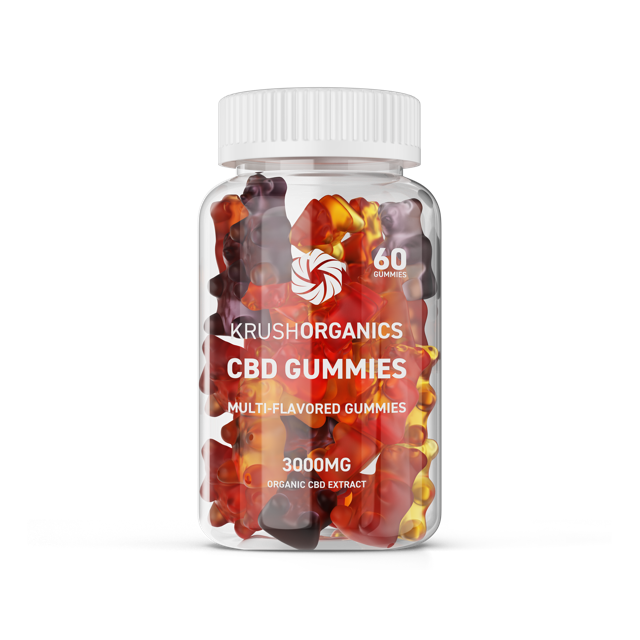
- Edibles and Capsules: CBD edibles (such as CBD gummies or capsules) are another common choice for CBD users. While they are convenient and offer longer-lasting effects, they typically have a lower bioavailability compared to oils or inhalation methods. The bioavailability of CBD in edibles is generally around 6-20%. This is because CBD must first pass through the digestive system and the liver before it enters the bloodstream, which can reduce its effectiveness.
- Topicals: CBD topicals, like creams and balms, are applied directly to the skin. These products have a different mechanism of action, as they don’t enter the bloodstream. Instead, CBD interacts with cannabinoid receptors in the skin to provide localised relief, making it ideal for treating joint pain or muscle soreness. While topicals are effective for targeted relief, their bioavailability is difficult to quantify since CBD does not circulate through the bloodstream.
Why Should You Choose High Bioavailability CBD Products?
Opting for CBD products with higher bioavailability ensures you’re getting the maximum benefit for the amount you’re spending. CBD oil in Australia offers a good balance of convenience and bioavailability, making it an excellent choice for those looking for effective relief without the need for large doses. Additionally, choosing a product with high bioavailability can also help you save money, as you may need to take smaller amounts to feel the desired effects.
Factors That Can Influence Bioavailability
While the method of consumption is a primary factor affecting bioavailability, other considerations can play a role as well:
- CBD Formulation: The quality and formulation of the CBD product can affect its bioavailability. Full-spectrum CBD oils, which contain a range of cannabinoids and terpenes, may offer better absorption compared to isolates or broad-spectrum products.
- Your Body’s Chemistry: Each person’s body is different, and factors such as metabolism, body weight, and the presence of food in your stomach can influence how well CBD is absorbed.
- Consistency of Use: Regular use of CBD products can also improve the way your body processes CBD, potentially enhancing the effects over time.
Conclusion: Maximise Your CBD Benefits
Bioavailability is a crucial factor when it comes to experiencing the full benefits of CBD. Whether you’re looking to reduce pain, alleviate stress, or improve your sleep quality, understanding how CBD absorption works can help you choose the right products and administration methods.
For those in Australia, CBD oil is one of the best options for achieving high bioavailability, offering a fast and effective way to experience CBD’s effects. Make sure to choose products from reputable brands and pay attention to how your body responds, so you can find the best dosage and delivery method for your needs.
By focusing on bioavailability, you’ll ensure that you’re making the most out of your CBD products, leading to a better overall experience and more pronounced benefits.
Please note: The information provided in this article is based on general research and is not intended to replace professional medical guidance. Always speak with a healthcare professional before using CBD products, especially if you are pregnant, nursing, or managing a medical condition.