
CBD
CBD Oil for Epilepsy: Everything You Need to Know
Mar
Epilepsy is a chronic neurological disorder that affects millions of people worldwide, triggering repeated seizures with a severe impact on quality of life. Traditional anti-epileptic drugs control seizures in the majority of patients, but some experience drug-resistant epilepsy, where their seizures continue despite traditional therapeutic drugs.
Over the past few years, CBD oil has gained immense popularity as a potential alternative treatment for epilepsy, especially for individuals afflicted with severe or drug-resistant forms of the condition. Clinical Research has shown that Cannabinoids, which are a non-psychoactive and non-intoxicating substance derived from the cannabis plant, have the ability to decrease the frequency and intensity of seizures.
This comprehensive guide explores the science of CBD oil for epilepsy, its potential benefits and risks, current research findings, legal status in Australia, and safe usage guidelines.
Understanding CBD Oil
CBD (cannabidiol) is a plant-based compound derived from the cannabis plant. In contrast to THC (tetrahydrocannabinol), the major psychoactive ingredient of cannabis, CBD does not induce a “high.” This renders it a more significant candidate for therapeutic purposes, especially in disorders such as epilepsy, where treatment over a long period is necessary.
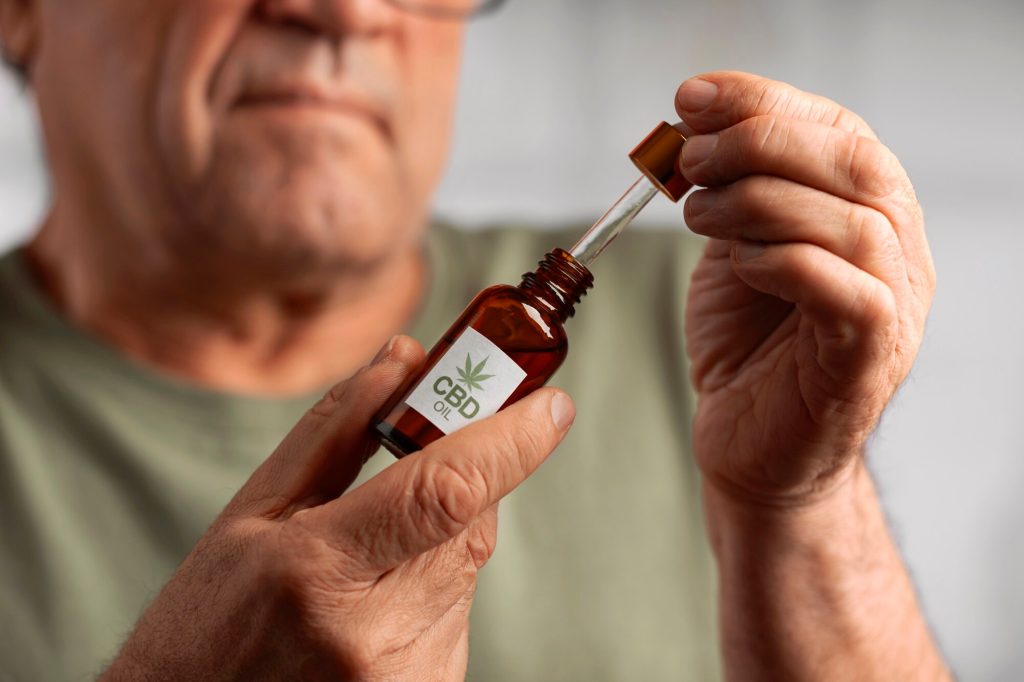
CBD oil is available in various forms, including tinctures, capsules, and oral solutions. CBD products vary in concentration and purity, and hence it is necessary for patients to choose high-quality, medical-grade CBD oil for the treatment of epilepsy.
How Does CBD Oil Work for Epilepsy?
CBD acts on the endocannabinoid system (ECS), a multicellular network of signaling connectors which regulates a broad array of physiologic and cognitive processes such as mood, pain, inflammation and brain function. Scientists believe that CBD’s anti-seizure effects stem from its ability to:
Regulate neurotransmitter activity: CBD alters the activity of neurotransmitters’ transmission in the brain in manners that soothe excessive neuronal excitability, an ingredient of epilepsy.
Modulate ion channels: Dysfunction of ion channels results in seizures. CBD stabilises the brain by modulating calcium and sodium channels.
Reduce inflammation: Neuroinflammation is speculated to be involved in epilepsy. CBD has anti-inflammatory effects that might reduce seizure activity.
Possible Advantages of CBD Oil in Epilepsy
CBD oil has several probable advantages for individuals with epilepsy, particularly those with drug-resistant seizures that are unresponsive to treatment. Ongoing research has been on the rise to understand more about the benefits of CBD and its therapeutic as well as health worth. Some of the most important advantages that have been seen in the clinical trials are:
Seizure Reduction: The most significant benefit reported by clinical studies on CBD is the capacity to reduce seizure frequency and reducing the severity of the seizures. Studies indicated that CBD acts by engaging with the neurotransmitter systems in the brain, facilitating regulation of the neuronal activity and blocking the effects that cause epilepsy discharges.
Neuroprotective effects: Through repeated seizure in the Epilepsy patients it may damage brain cells in the long term which can lead to decay of cognitive strengths and other neurologic disorders. CBD with neuroprotective effect means that it may protect the neurons from damage caused in the brain.

Increased Tolerability: Contrary to most of the conventional anti-epileptic drugs available in the market and widely being used, some AEDs have significant side effects like drowsiness, dizziness, liver toxicity, mood change, as well as impairment of cognition. CBD is tolerant overall, with fewer severe side effects whose prevention can be managed with the change in dosing.
Potential Mood and Sleep Enhancement: The majority of epilepsy patients report improved sleep and reduced anxiety when taking CBD, which may lead to overall feelings of wellness. Studies demonstrate that CBD impacts serotonin receptors, with potential benefits for inducing good mood and lifting depression through relaxed ease.
How to Use CBD Oil Safely for Epilepsy
If considering CBD oil for epilepsy, it is important to follow these safety guidelines:
- Consult a Neurologist or Epilepsy Specialist: You need to seek professional medical advice and consultation from the medical professionals before starting CBD treatment.
- Start with a Low Dose: Begin on a low dose and, under close medical supervision, increase it gradually to achieve the optimal dose.
- Monitor Seizure Activity: Keep a seizure diary to track the effects of CBD, including any changes in seizure frequency and intensity.
- Choose High-Quality CBD Products: Choose medical-grade, lab-tested CBD oil to guarantee purity and potency.
- Be Aware of Drug Interactions: Inform your doctor about the medication you are currently taking to avoid a potential interaction.
- Follow Legal Guidelines: Be compliant with Australian laws by purchasing CBD products from licensed sources.
Legal Status of CBD Oil for Epilepsy in Australia
CBD oil is legal for medical use in Australia but is strictly regulated. Some key legal considerations include:
- Low-dose CBD oil (up to 150 mg/day) is available over the counter, but products with higher concentrations require a doctor’s prescription.
- The Therapeutic Goods Administration (TGA) oversees CBD regulation, allowing healthcare providers to prescribe CBD through the Special Access Scheme (SAS) or the Authorised Prescriber Scheme.
- Importing CBD products from overseas without approval is illegal in Australia.
Possible Side Effects and Risks of CBD Oil
Although CBD is considered safe for most individuals, it is not without risks. Potential side effects can include:
- Drowsiness and fatigue
- Gastrointestinal issues such as diarrhea
- Changes in appetite and weight
- Liver enzyme elevations (particularly in individuals taking high doses)
- Possible drug interactions with anti-epileptic medications such as clobazam and valproate
Because CBD can interact with certain epilepsy medications, it is crucial to consult a healthcare professional before incorporating it into an epilepsy treatment plan.
Scientific Research on CBD and Epilepsy
FDA-Approved CBD Medication: Epidiolex
One of the most significant advancements in CBD research is the approval of Epidiolex, a prescription CBD medication approved by the U.S. Food and Drug Administration (FDA) for treating:
- Dravet syndrome
- Lennox-Gastaut syndrome
- Tuberous sclerosis complex
Epidiolex has undergone extensive clinical trials, demonstrating significant seizure reduction in patients with severe epilepsy. This approval has led to increased interest in CBD as a treatment option for other forms of epilepsy.
Key Research Studies
Several clinical studies support the use of CBD oil for epilepsy:
- 2017 Study in The New England Journal of Medicine: A randomised, double-blind, placebo-controlled trial found that CBD reduced seizures by 39% over a 14-week period in Dravet syndrome patients.
- 2020 Study in Epilepsy & Behavior: Patients with Lennox-Gastaut syndrome experienced a significant reduction in seizure frequency when treated with CBD.
- British Journal of Clinical Pharmacology Review: A comprehensive review of CBD’s effects on epilepsy concluded that CBD may enhance the efficacy of traditional anti-epileptic drugs while reducing their side effects.
Conclusion
CBD oil has shown promising potential as a treatment for epilepsy, particularly for individuals with drug-resistant seizures. Scientific research, including clinical trials and the approval of Epidiolex, has strengthened the case for using CBD as an anti-seizure medication. For those considering CBD oil for epilepsy, consulting a healthcare professional, adhering to legal regulations, and using high-quality, medically-approved CBD products are essential steps toward safe and effective treatment.
Krush Organics offer a range of CBD products, considering its range of health benefits, we provide high-quality CBD oil making it easier for individuals to access safe and effective CBD solutions. If you are considering CBD oil for epilepsy, explore our collection and choose from our carefully formulated, high-potency CBD oils. It is a must to consult with a medical professional before starting any new treatment to ensure the best possible results for your health.
Please note: The information provided in this article is based on general research and is not intended to replace professional medical guidance. Always speak with a healthcare professional before using CBD products, especially if you are pregnant, nursing, or managing a medical condition.